That's Not My Neighbor
That's Not My Neighbor is a tense 2D deduction game where you check IDs and spot impostors posing as tenants, helping players sharpen quick judgment and keep the building safe each day too.
screenshot
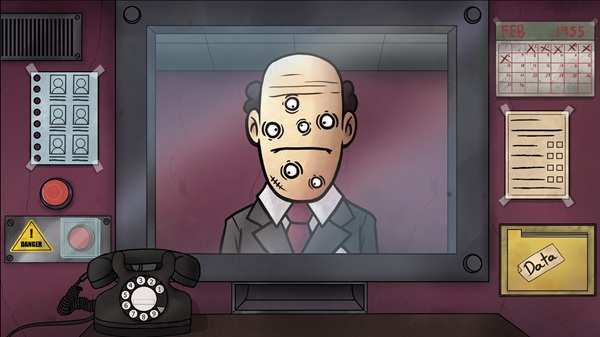
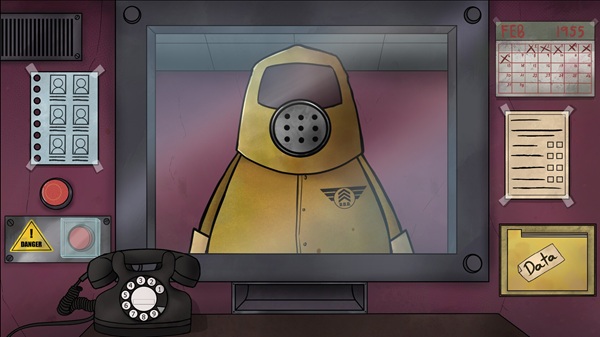
Information of That's Not My Neighbor


About That's Not My Neighbor APK
That's Not My Neighbor APK is the installation file that lets users run the game on supported devices without extra steps or complications. It gives players direct access to a deduction-driven world built around close inspection, pattern checks, and snap decisions that shape each encounter. This game blends the feel of a workplace simulation with sci-fi twists, asking you to compare faces, documents, and subtle clues to decide who actually belongs inside the apartment building.
Created by Nacho Sama, the game appeals to players who enjoy detail-heavy challenges and moments where accuracy matters more than speed. It’s used to sharpen observation skills, recreate the tension of making judgment calls under pressure, and give users a structured but playful way to test how well they can read micro-differences. The next sections break down how it works, what makes its systems compelling, and how different modes cater to different styles of play.
Core Gameplay Breakdown
Players spend each session reviewing documents, comparing photos, and scanning visitor faces for anything off. Slight shifts in shape, color, or expression can reveal an impostor pretending to be a tenant. Each visitor steps up to the window, giving you only a short moment to verify details before you press the button to either grant access or block them.
Timing plays a huge role in That's Not My Neighbor. The access buttons and alarm system push you to react fast as each choice swings between safety and danger. Approving an impostor can cause problems, but blocking a real tenant isn’t harmless either. This rhythm creates a tight loop that attracts players who enjoy logic-heavy challenges mixed with character-focused tension.
Key Features That Shape Each Session
Tenant Verification System
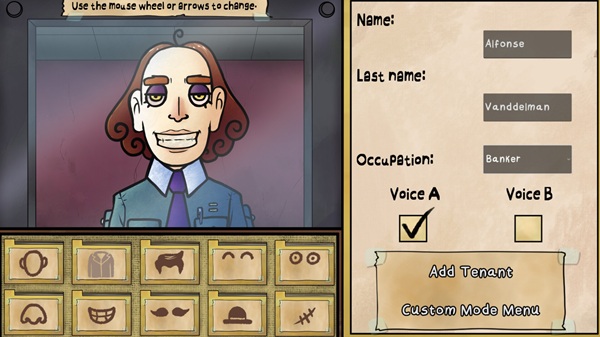
This section digs deeper into how the verification process works. Players compare appearance, listed traits, and ID details with the official tenant registry. Slight inconsistencies—like a mismatched accessory or a face shape that doesn’t quite fit—can signal danger. You’re expected to judge these differences with confidence, even when they’re subtle.
Game Modes Overview
-
Campaign mode focuses on choices that shift the final outcome.
-
Arcade mode rewards quick, accurate decisions.
-
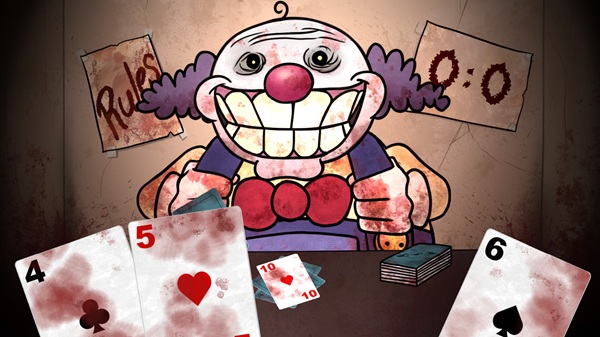
Nightmare mode turns the pressure up, demanding sharper reactions.
-
Custom mode gives players space to build their own tenants and tweak scenarios.
Art Style and Atmosphere
That's Not My Neighbor uses expressive 2D visuals that make every visitor easy to study and compare. Subtle shifts in facial expression, posture, and shading give players quick clues to work with during each check. The sound design adds light tension in the background, supporting the focus needed for careful decisions without distracting from the moment.
Why Players Gravitate Toward This Game
Many players enjoy the satisfaction of catching a tiny inconsistency early and watching the decision pay off. That feeling of control—making a call based on evidence and instinct—keeps the loop engaging. Because this game rewards careful thinking, it appeals to puzzle fans, sim fans, and people who enjoy a challenge that doesn’t rely on reflexes alone.
The game also echoes real-life skills. Spotting patterns, staying calm under pressure, and weighing details quickly are abilities that transfer beyond entertainment. These elements help build the game’s reputation as a clever, skill-focused deduction title.
User Challenges and Learning Curve
Newcomers often struggle with micro-differences: a slightly shifted jawline, a haircut that’s almost correct, or paperwork that seems legitimate but feels suspicious. Time pressure adds another layer, pushing players to act decisively even when they don’t feel ready.
As players spend more time with That's Not My Neighbor, they get used to recurring tenant traits, and their brains start forming a mental catalog of faces and key identifiers. That makes unusual details easier to catch on the spot. To avoid mistakes, many players stick to simple habits like scanning documents top to bottom, double-checking the most important fields first, and trusting their initial instinct when something feels “off.”
Tips to Improve Observation Skills
Pattern Tracking Methods
Building simple mental checklists helps players keep track of recurring character traits. For example, noting signature accessories, eyebrow shapes, or common color palettes makes it easier to detect abnormalities. Training your eye to lock onto one feature at a time prevents decision fatigue and supports consistent accuracy.
Efficient Desk Workflow
A clean workflow cuts down errors in That's Not My Neighbor. Most players stick to a consistent order when checking documents so the key identifiers appear first. Focusing on major clues—like mismatched IDs or obvious facial differences—keeps the pace steady. And when something feels off right away, it’s usually a sign to recheck that detail instead of talking yourself out of it.
Pros and Cons for Different Player Types
The game offers plenty to appreciate. The tight loop keeps sessions fresh, and its tension makes small victories feel rewarding. The mix of modes also creates replay value for users who like short, structured challenges.
On the other hand, the mental load can be heavy for players who prefer relaxed pacing. The game asks for sustained focus, which might feel demanding for beginners or anyone not used to deduction puzzles.
Players who benefit most include people who enjoy pattern recognition, detail-oriented tasks, and brief gameplay sessions that revolve around quick judgment calls.
Conclusion
That's Not My Neighbor combines a verification system, expressive art style, and versatile modes to create a memorable deduction experience built around accuracy and instinct. The blend of tension and logic appeals to players who appreciate skill-based challenges without unnecessary complexity. If you're ready to test how well you can read faces under pressure, you can download the That's Not My Neighbor APK safely from APKJaka and try it for yourself.
Frequently Asked Questions That's Not My Neighbor
-
What is That's Not My Neighbor?
That's Not My Neighbor is a 2D deduction game where you check visitors’ IDs, spot impostors, and decide who gets into the building. -
What does That's Not My Neighbor APK do on Android?
The APK lets Android users install the game manually when it’s not available on official stores or when they want a direct install file. -
Is That's Not My Neighbor hard to learn?
The basics are simple, but spotting tiny differences between real tenants and fake ones takes practice. Most players improve after a few rounds. -
Does the game work offline on Android?
Yes, most gameplay features run without an internet connection since the core loop happens entirely on your device. -
Is it safe to install That's Not My Neighbor APK?
It’s safe as long as you download the file from a trusted source and check that it matches the official version.